
About Endometriosis
- Home
- About Endometriosis
WHAT IS ENDOMETRIOSIS?
[endo-mee-tree-oh-sis]
[endo-mee-tree-oh-sis]
Endometriosis is a disease where tissue similar to the lining of the uterus [endometrium] grows in areas outside the uterus. Endometrial tissue located outside the uterus behaves like the uterine lining – it thickens, breaks down, and bleeds with each menstrual cycle. This distortion in the normal biological process leads to inflammations, severe debilitating pain, growth of endometriomas (chocolate cysts), adhesions and scar tissues.
Though often classified as a gynaecological disease, endometriosis is more than a gynaecological disease. Endometriosis is a systemic, whole-body disease. More commonly, endometriosis is found in the pelvic cavity, attached to the female reproductive organs (uterus, fallopian tubes, ovaries), the uterosacral ligaments, the peritoneum, or any of the spaces between the bladder, uterus/vagina, and rectum. Endometriotic tissue has been found outside the pelvic cavity in places like the umbilicus, appendix, lungs, bowels, kidney, thorax, diaphragm, chest, mouth, nose, brain, etc.
Endometriosis has been seen in menopausal women and young girls who have not started menstruating. The most common age affected by endometriosis are girls and women of reproductive age (15 – 50 years); women are most productive within this age range. Therefore, endometriosis can impact all aspects of their lives – school, careers, businesses, finances, relationships, marriages, fertility and overall wellbeing.
Endometriosis is an “invisible”, tricky disease whose mechanism is still being understood by researchers.
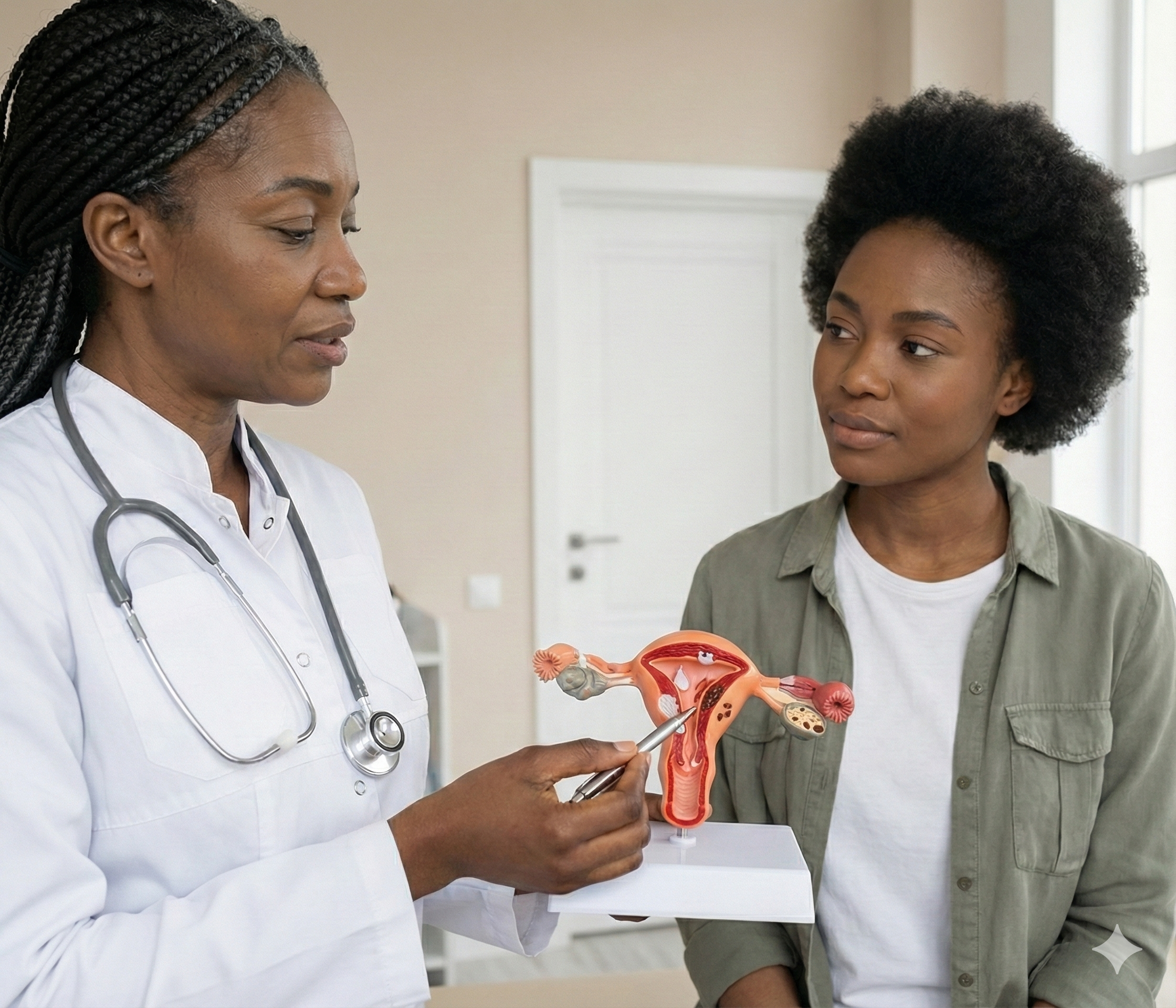
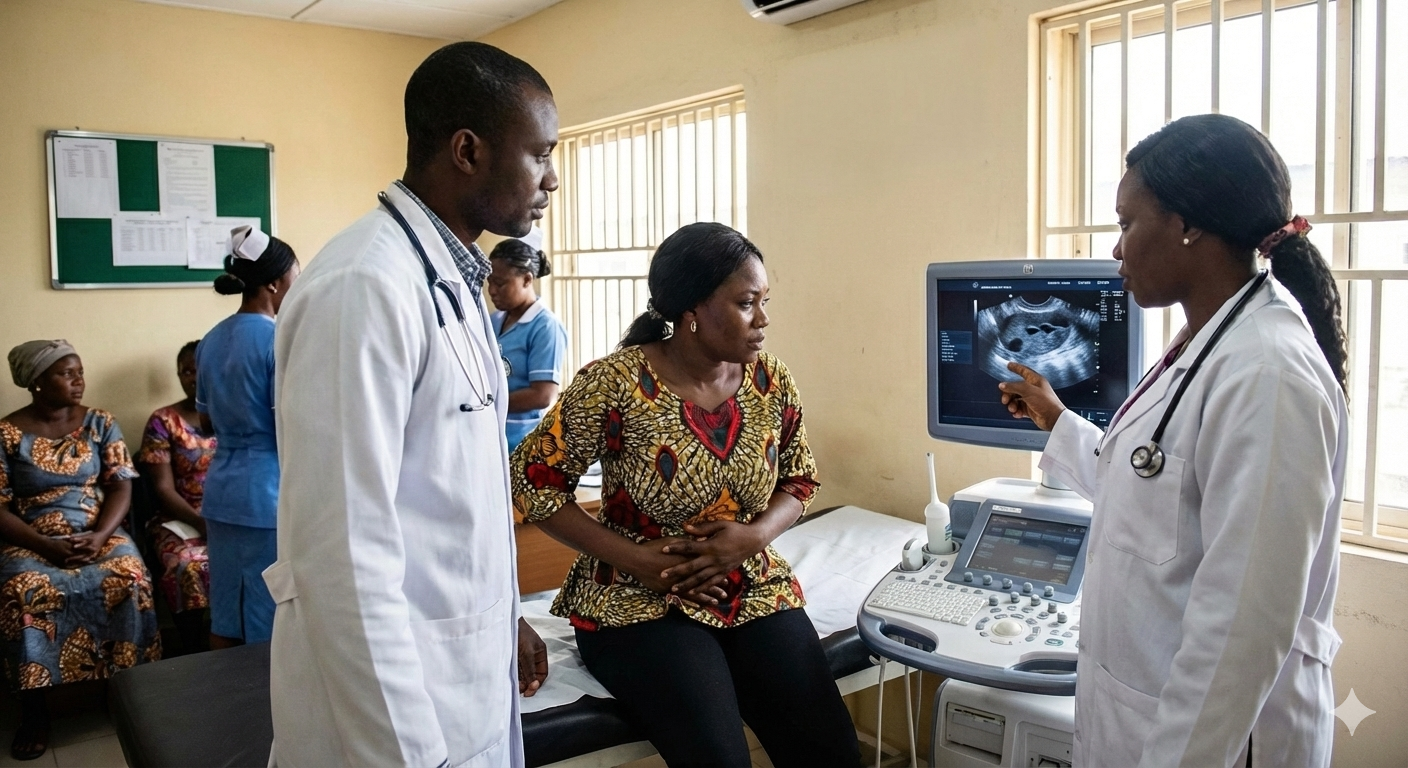
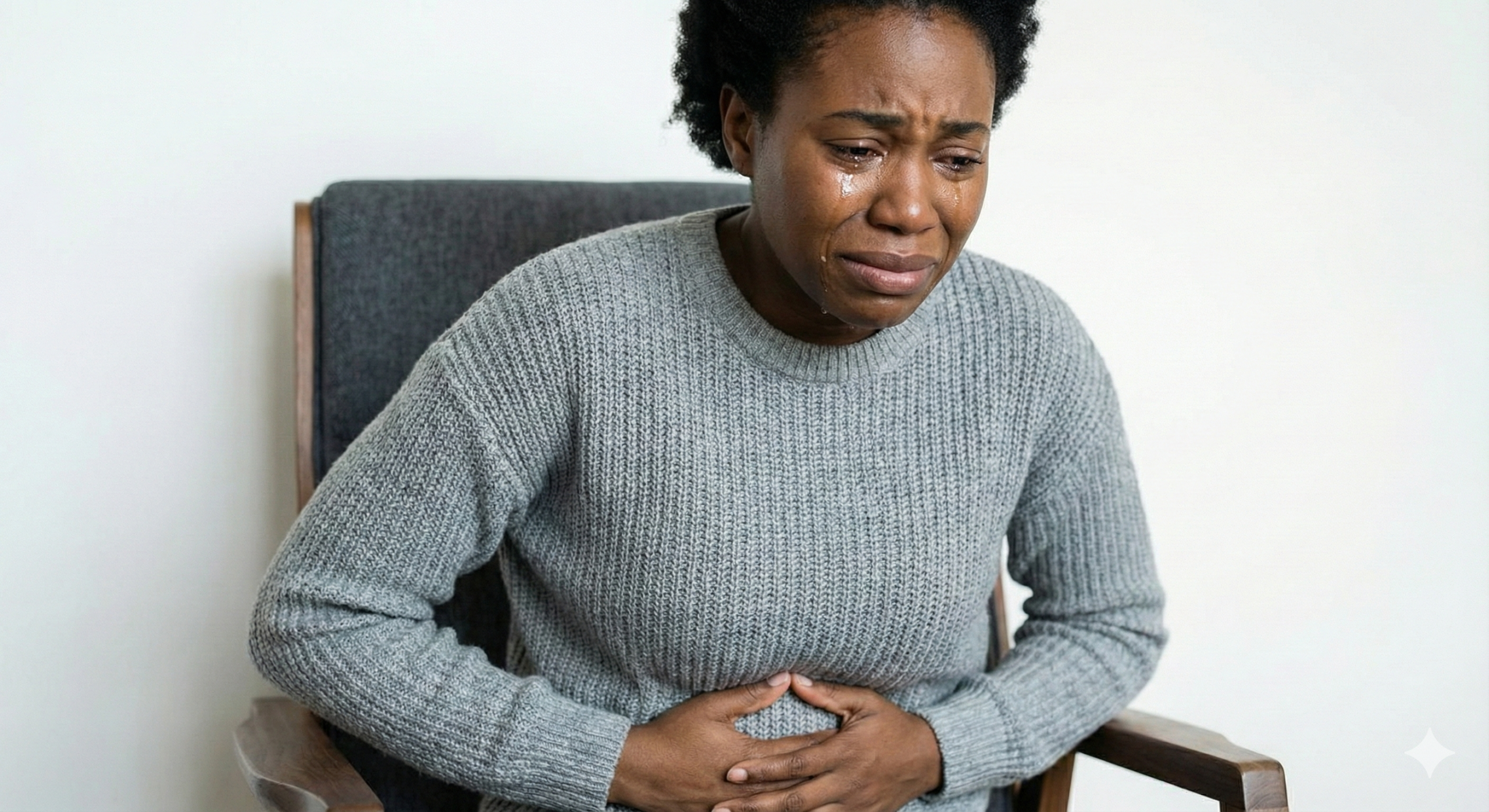
Symptoms of Endometriosis
Due to the spread of abnormal tissue within and outside the pelvic region, adhesions may be found in the pelvis, bladder, appendix, rectum, ovaries, fallopian tubes, lungs, umbilicus, in rare cases nasal region and in rarer cases, the brain. As a result of this and other immunologic abnormalities, no two women experience endometriosis in the exact same way.
The symptoms of endometriosis include:
- severe/crippling menstrual cramps
- chronic or cyclic abdominopelvic pain often intractable
- dyspareunia (painful intercourse)
- abdominal bloating
- pain while urinating,
- leg and lower back pain (particularly in cases of sciatic endometriosis),
- irritable bowel
- fatigue
- rectal bleeding,
- infertility
- pregnancy loss (miscarriages) and
- possible link to preterm births.
Comorbid pain syndromes, mood swings and asthma are also common in individuals with endometriosis
One symptom might be profound in one woman while it is absent in another. However, the cardinal symptoms of endometriosis remain chronic pelvic pain, severe menstrual cramps and painful intercourse (dyspareunia).
"Endometriosis affects 1 in 10 women worldwide"
Incidence
- Endometriosis affects 1 in 10 girls/women of reproductive age (that’s 10% of female population worldwide). Endometriosis in rare cases, may affect pre-menarchal girls and menopausal women.
- Endometriosis accounts for 40% of infertility cases in Nigeria. A good number of women find out that they have endometriosis only after they are married and are trying to conceive.
- According to a Finnish study which appeared in the Journal of Pediatric & Adolescent Gynaecology, one third of girls (ages 15-19) were found to suffer severe menstrual pain of which 14% were consequently absent from school or hobbies.
- Another research shows that 70% of teens with chronic pelvic pain go on later to be diagnosed with endometriosis.
- According to the American Society for Reproductive Medicine [ASRM], it takes an average of 8 years for a girl living with endometriosis to get an accurate diagnosis
- Endometriosis affects over 176 million individuals worldwide
Causes of Endometriosis
While the intense studies are ongoing to establish exactly the aetiology of endometriosis, some hypotheses have been put forward to offer some understanding of how endometriosis happens. The most popular one is the Theory of Retrograde Menstruation, which suggests that menstrual blood during a girl’s period flows backwards into her abdomen instead of outwards through the vagina. This is a highly disputed theory because retrograde menstruation happens in more than 90% of women but endometriosis affects about 10% of women. What factors account for the disparities?
Endometriosis is also believed to be influence by some genetic and environmental factors. Women who have endometriosis are more likely t have a sister, cousin, mother or aunt with endometriosis.
How is Endometriosis Diagnosed?
Diagnosing endometriosis can be tricky due to its wide range of symptoms, symptoms overlapping with other conditions, the delay in care-seeking and the delay in recognizing endometriosis by medical practitioners.
Here’s an overview of how endometriosis is diagnosed typically:
- Clinical evaluation: based on medical history, symptom assessment and pelvic examination by the doctor
- Imaging: Pelvic Ultrasound (transvaginal or abdominal), MRI (Magnetic Resonance Imaging) are useful in diagnosing many cases of endometriosis. However, some individuals have clear imaging reports but still suffer endometriosis. We advise that patients whose MRIs “show nothing” but still have persistent symptoms, should be offered a laparoscopy.
- Laparoscopy with biopsy: a minimally invasive surgical procedure usually under general anaesthesia. A small camera is inserted through a tiny incision in the abdomen to visually inspect the pelvic area. Tissue sample is then taken for histopathological confirmation.
Endometriosis: Fast Facts
- Endometriosis is not solely a gynaecological condition; it is a complex, systemic disease that affects multiple organs beyond the reproductive system.
- Endometriosis affects women during childbearing age (from her first period until menopause) and has been reported in pre-menarchal girls and post-menopausal women. Symptoms typically begin during puberty.
- Endometriosis affects approximately 1 in 10 women worldwide.
- There is an average of an 8 -10 year delay in diagnosing endometriosis
- Endometriosis is one of the leading causes of infertility.
- Endometriosis impairs quality of life, physical functioning and productivity of affected women, with significant impact on healthcare costs.
- There is a need for better awareness and clinical training on the disease.
Treatments for Endometriosis
Is there a "cure" for endometriosis?
There is no definite cure for endometriosis. However, there are treatment options to manage the disease and some have greatly improved patients’ symptoms and overall quality of life.
- Pain Relievers: Over-the-counter nonsteroidal anti-inflammatory drugs can help manage pain and menstrual cramps, especially in cases of mild endometriosis.
- Hormonal therapies:
- Different contraceptive options like birth control pills, patches, or hormonal intrauterine devices (IUDs) can be used to regulate or stop the menstrual cycle to reduce pain and bleeding. They are usually taken continuously to avoid the hormonal fluctuations that trigger endometriosis symptoms.
- Progestin Therapy: Progestin-only medications can stop menstrual periods and suppress the growth of endometrial tissue. This helps reduce pain but may have side effects like bloating, mood changes, or irregular bleeding/spotting.
- Gonadotropin-releasing hormone (GnRH) analogues: may be agonist or antagonist and they work by blocking the pituitary’s GnRH receptors which control reproductive hormones. GnRH analogues are medications used to suppress ovarian hormone production, especially oestrogen, which is a key driver of endometriosis.
- Surgical Interventions: Surgery may be performed to remove or destroy endometrial tissue where medications are ineffective, symptoms are severe, or when infertility is a concern. Laparoscopic excision surgeries have been beneficial to patients. During an excision (removal), the surgeon carefully cuts out endometrial and scar tissue, but an ablation involves burning off endometrial tissue using heat or laser.
- Hysterectomy: In severe cases and when the patient does not wish to conceive, a hysterectomy (removal of the uterus) may be performed, alongside an oophorectomy (removal of the ovaries and fallopian tubes) to eliminate estrogen production. A hysterectomy is not as helpful to everyone, as endometrial tissue may be present outside the pelvic area.
- Herbal remedies: These have shown potential benefits for some patients with endometriosis, especially in managing pain, inflammation, hormonal imbalance, and modulating immune function – which are key issues with the disease.
Roots like ginger and turmeric, plants like raspberry and nettle leaf among others have been discussed in our patient supports groups and reported to help in some way. However, research is still evolving in this area as large-scale, high-quality human trials are limited. Herbal treatments, if to be considered should be from licensed practitioners and should complement not replace medical guidance from a gynaecologist.
- Lifestyle changes: Lifestyle changes do not cure endometriosis but could play a major role in managing symptoms.
- In vitro fertilization has been helpful to some endometriosis patients battling infertility.
ESIF as a non-profit, advocates a wholistic, multi-disciplinary, personalized, patient-centered treatment for endometriosis. Patients should decide on their preferred treatment option in consultation with their medical provider